
Hazardous Tree Removal With Site Protection
Tree & Stump Removal in Houston for storm-damaged trees and stumps blocking new construction
A tree split by lightning remains unstable with fractured wood that could drop limbs onto structures during the next wind event, and stumps left after previous removals prevent equipment access for patio installations or utility line trenching. Property owners need removal services when trees develop severe lean toward buildings, when root decay undermines stability and creates imminent failure risk, or when dead trees drop branches that damage roofs and vehicles. Haley's Landscaping Services Inc removes hazardous, damaged, and unwanted trees across Houston, then grinds stumps below grade or extracts entire root systems depending on site plans for the cleared area.
Safe removal involves rigging systems that control limb descent to avoid impact damage to surrounding landscaping, precise cutting sequences that prevent trunk splitting during felling, and equipment placement that protects turf and hardscape features from compaction and scarring. Stump grinding reduces wood to chips eight to twelve inches below soil level, allowing immediate replanting or sod installation over the site.
Request an evaluation for hazardous trees showing signs of instability, decay, or storm damage before failure occurs.
The Difference Between Grinding and Complete Removal
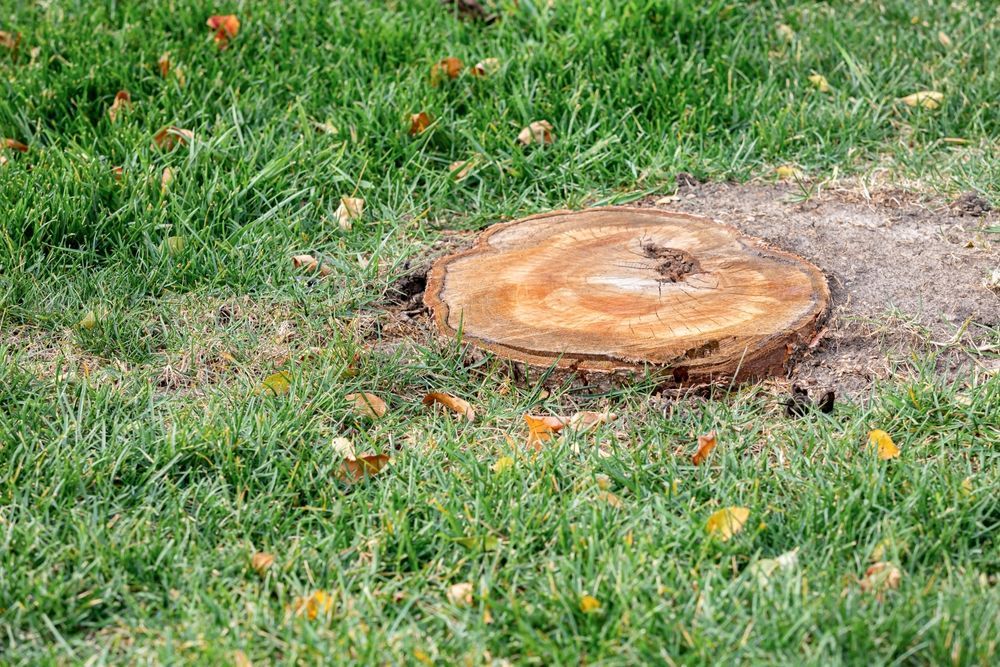
Stump grinding uses rotating cutting wheels to chip wood below grade, leaving root mass in place to decompose naturally over several years without interfering with turf or shallow plantings. Complete stump and root extraction removes the entire system, necessary when installing foundations, pools, or underground utilities where decaying roots would create voids and settling issues.
After removal completes, your property no longer faces risk from leaning or decayed trees that threatened structures during storms, and cleared areas become available for new landscape installations without obstruction from old stumps. Sites are left clean with wood debris removed and soil leveled to match surrounding grade, ready for sod, planting, or hardscape construction.
Storm damage cleanup addresses trees with broken tops, split trunks, or uprooted root systems that require immediate attention to prevent secondary damage. Protection of surrounding landscaping during removal includes strategic rigging to lower sections vertically, equipment routes planned to avoid bed compaction, and ground protection measures that prevent turf damage from machinery and falling wood.
Removal Project Considerations
Tree removal decisions involve safety assessment, site access planning, and understanding what preparation enables efficient, damage-free work.
What conditions make a tree hazardous enough to require removal?
Hazardous conditions include severe lean toward structures, extensive trunk decay that compromises stability, large dead branches overhanging high-use areas, and root failures that lift soil and tilt the trunk.
How does stump grinding depth affect what you can install over the site afterward?
Grinding eight to twelve inches below grade allows turf and shallow plantings to establish without interference, while deeper excavation or complete extraction is necessary for hardscape, structures, or large tree replacements that need unobstructed root space.
When should storm-damaged trees be removed versus treated and preserved?
Trees with split trunks, severed tops, or broken main leaders rarely recover structural integrity and become ongoing hazards, while minor limb damage on otherwise healthy trees can be corrected through pruning.
What site access do removal crews need to work efficiently?
Crews require gate width sufficient for equipment passage, typically eight feet minimum, and clear routes to the work area that avoid overhead wires, buried utilities, and landscape features that restrict positioning.
How do removal teams protect surrounding plants and hardscape during the process?
Protection methods include rigging systems that guide limb descent away from beds and structures, ground mats that distribute equipment weight to prevent soil compaction, and drop zones cleared of valuable plantings before felling begins.
Haley's Landscaping Services Inc removes hazardous trees and grinds stumps while protecting your property's existing landscape features. Schedule a site evaluation to assess trees that pose safety concerns or obstruct planned improvements.