Lawns Designed for Reduced Maintenance Demands
Artificial Turf Installation in Houston for properties replacing failing lawns or establishing new turf with lower water and care requirements
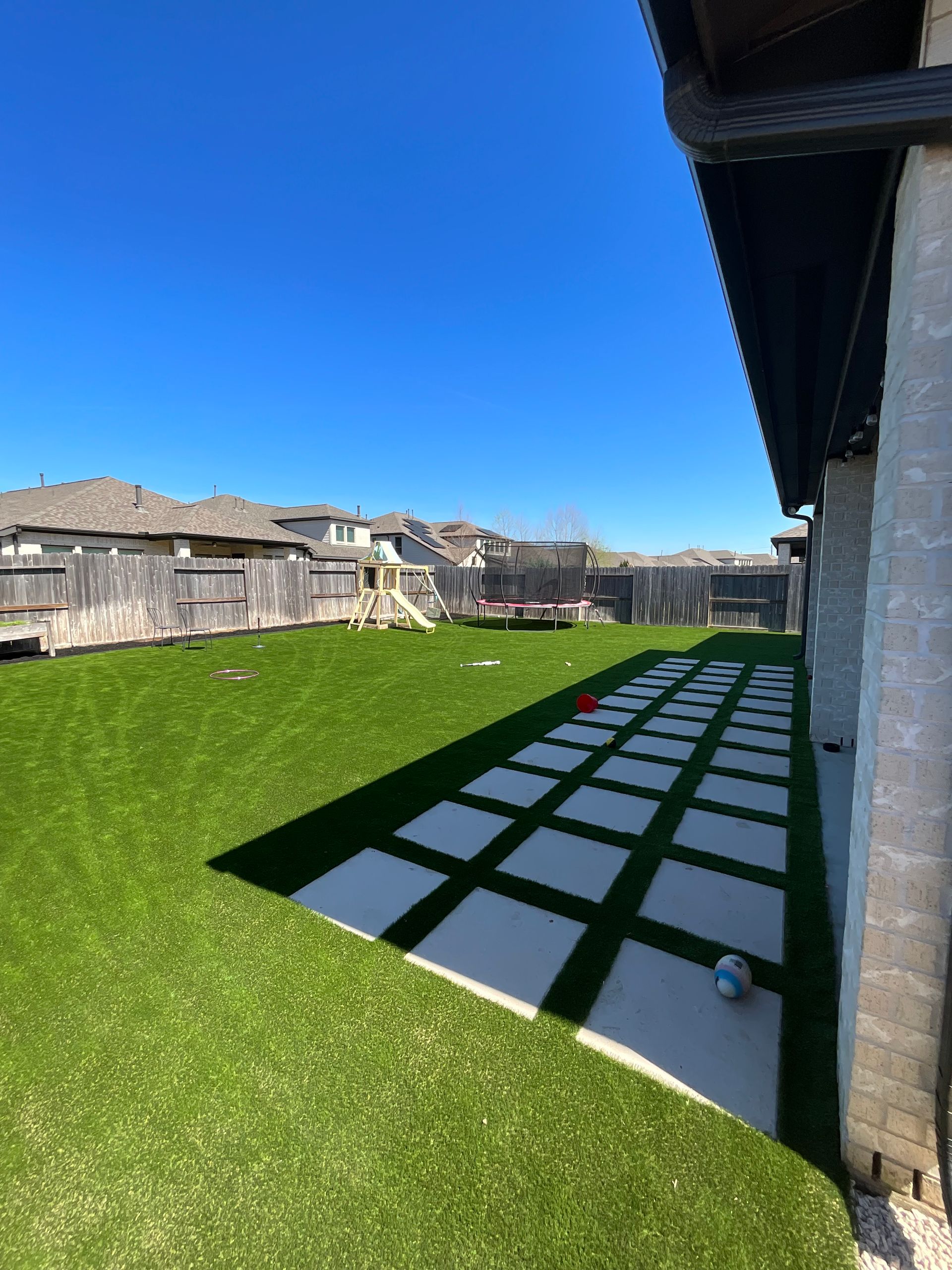
If you're tired of dealing with bare patches, persistent weeds, and uneven coverage in your lawn, artificial turf might be the solution you've been looking for. Unlike natural sod, which requires meticulous soil preparation and is susceptible to the challenging heat and humidity of Houston, artificial turf offers a hassle-free alternative that looks great all year round.
One of the primary benefits of artificial turf is the drastic reduction in maintenance. Say goodbye to mowing, fertilizing, and worrying about irrigation. With synthetic grass, you can enjoy a consistently lush, green appearance regardless of drought conditions or extreme heat.
The installation process for artificial turf involves several key steps to ensure durability and performance. First, existing vegetation must be removed, followed by excavating the area to create a compacted base that promotes proper drainage and stability. A weed barrier is then installed, and the synthetic grass is laid down, secured with infill material that supports the blades and provides cushioning underfoot. Effective drainage design is crucial; it ensures that water can flow through the turf backing and base layer swiftly, preventing surface pooling during heavy rain common in Houston.
Take the first step toward a low-maintenance lawn by requesting an evaluation to explore your artificial turf options. Consider factors like maintenance preferences, water availability, and budget to find the perfect fit for your residential or commercial property. Enjoy the beauty of a green lawn without the hassle!
What Changes After Professional Lawn Installation
When considering landscaping options, artificial turf stands out as a desirable alternative to natural sod. Unlike sod installation, which provides immediate coverage with mature grass, artificial turf offers an instantly finished appearance without any grow-in time.
One of the key advantages of artificial turf is its low maintenance requirement. Once installed, it drains efficiently during rain and maintains its vibrant green color without the need for irrigation. This means homeowners can enjoy a lush landscape year-round without the hassle of regular watering.
The challenges associated with sod, such as soil preparation, grading for drainage, and ongoing irrigation, are bypassed completely with artificial turf. There’s no need for soil amendments or leveling, making the installation process quicker and more straightforward.
In terms of upkeep, artificial turf only requires periodic rinsing to keep it clean, and for pet owners, many options include antimicrobial infill to minimize odor and facilitate waste removal without staining.
When it comes to aesthetics, artificial turf offers a variety of options in terms of pile heights and blade shapes, allowing homeowners to select the best fit for their style and usage needs—whether it’s for high-traffic areas or more visually appealing zones. In short, for those looking to eliminate the labor and water commitments of natural sod, artificial turf presents an attractive, low-maintenance solution.
Answers to Common Lawn Installation Questions
Property owners often compare natural sod to artificial turf and ask about preparation steps, maintenance, and long-term durability.
What preparation is required before sod or turf installation?
Existing vegetation is removed, soil is tilled and amended to improve drainage, and the surface is graded to eliminate low spots and establish positive drainage. For artificial turf, a compacted aggregate base replaces topsoil to provide drainage and stability. Irrigation systems are installed or adjusted before sod is laid.
How do natural sod and artificial turf compare for maintenance?
Natural sod requires mowing, fertilizing, irrigation, and occasional pest or weed control. Artificial turf needs periodic rinsing, debris removal, and occasional brushing to keep blades upright but eliminates mowing and irrigation. Both options provide immediate coverage, but sod requires establishment time while turf is ready for use immediately.
What grass varieties work best in Houston climate?
St. Augustine tolerates shade and provides lush appearance but needs consistent water. Bermuda handles full sun and drought better but goes dormant in cool weather. Zoysia offers dense growth with moderate water needs and slower growth that reduces mowing frequency.
When is artificial turf a better choice than natural sod?
Artificial turf suits areas with poor soil, limited water availability, heavy shade where grass struggles, or high-traffic zones that wear natural turf thin. It works well for pet areas, side yards with minimal sun, or commercial properties where maintenance budget is limited.
How long does artificial turf last in Houston weather?
Quality artificial turf lasts 15 to 20 years with proper drainage and periodic maintenance. UV-resistant fibers prevent fading from sun exposure, and perforated backing allows water drainage. Infill material settles over time and may need replenishing to maintain blade support and cushioning.
Haley's Landscaping Services Inc installs natural sod and artificial turf based on site conditions, maintenance preferences, and functional goals. Schedule a consultation to evaluate your property and discuss lawn options that match water availability and care commitment.