Outdoor Surfaces Built for Heavy Use
Hardscape & Paver Installation in Houston for properties needing patios, walkways, or retaining walls that handle heat expansion and drainage
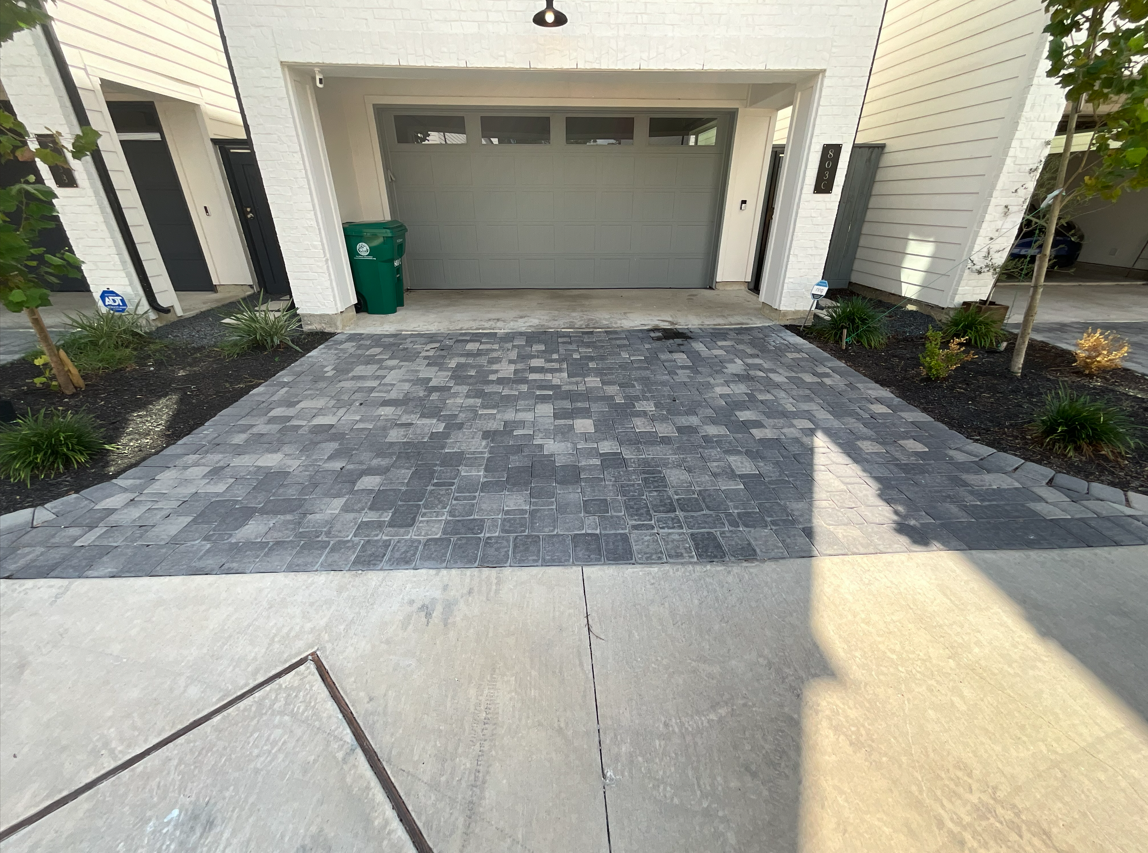
Drainage problems and soil movement cause most hardscape failures in Houston, where clay soil expands when saturated and contracts during dry periods. Haley's Landscaping Services Inc installs patios, walkways, driveways, retaining walls, and outdoor gathering areas using concrete pavers, natural stone, and brick over properly prepared bases that prevent settling and allow water to drain away from the surface. The installation process begins with excavation to remove unstable soil, followed by compacted aggregate base layers, edge restraints to prevent lateral movement, and bedding sand that supports pavers without trapping water.
Base preparation determines whether a paver installation lasts decades or begins settling within a few years. The excavation depth accounts for the combined thickness of base rock, leveling sand, and pavers, while the base itself consists of crushed limestone or granite compacted in layers to create a stable platform. Drainage provisions include grading the base to direct water away from structures, installing perforated pipe in areas where water concentrates, and leaving gaps between pavers for water infiltration rather than runoff.
Request a site evaluation to determine base depth, drainage routing, and material options for your hardscape project.
Why Base Preparation Matters for Long-Lasting Installations
The base layer supports the entire paver surface and must remain stable despite soil movement below and water infiltration from above. Compaction occurs in lifts—thin layers of aggregate are spread, moistened, and compacted with plate vibrators before the next layer is added. This process eliminates voids that would allow settling, creates a firm surface that transfers weight evenly, and establishes drainage slope so water doesn't pool under pavers.
After installation, you notice pavers remain level without sunken spots, water drains quickly from the surface during rain rather than forming puddles, and edges stay locked in place without shifting. Properly installed hardscape withstands vehicle weight on driveways, furniture weight on patios, and repeated freeze-thaw cycles without cracking or displacement. The surface expands usable outdoor space for entertaining, dining, or relaxing while requiring minimal maintenance beyond occasional sweeping and weed control in joints.
Material selection affects appearance, slip resistance, and heat retention. Concrete pavers offer uniform dimensions and color consistency, natural stone provides varied texture and earth tones, and brick delivers traditional appearance with high durability. Lighter colors reflect heat and stay cooler underfoot during Houston summers, while darker tones absorb heat and can become uncomfortable on bare feet in direct sun.
Answers to Frequent Service Questions
Property owners in Houston often ask about materials, drainage integration, and how hardscape complements existing landscaping.
What materials work best for Houston climate conditions?
Concrete pavers handle temperature swings without cracking and come in multiple colors and textures. Natural stone like flagstone or limestone offers heat resistance and non-slip texture but requires irregular joint widths. Brick provides classic appearance and high durability but can retain heat during peak afternoon sun.
How is drainage managed under paver installations?
The base is graded to direct water away from foundations and toward yard drainage or collection points. Permeable joints between pavers allow water to infiltrate into the base layer, where it drains laterally rather than pooling. In areas with poor soil drainage, perforated pipe is installed within the base to capture and route water away from the paved surface.
When should hardscape be installed relative to other landscaping?
Hardscape typically goes in after rough grading and drainage work but before planting beds are established. This sequence prevents damage to plants during excavation and allows planting beds to be built up to finished paver height for clean transitions.
What preparation is required before installation begins?
The site is cleared of existing vegetation, debris, or old concrete. Utilities are located and marked, and excavation depth is verified based on combined material thickness. Layout lines are established to show paver edges, curves, and transitions between different surface types.
How do pavers compare to poured concrete for patios and walkways?
Pavers allow individual unit replacement if one cracks or stains, while concrete requires cutting and patching that rarely matches the original surface. Pavers flex slightly with soil movement without cracking, whereas concrete develops control joint cracks over time. Installation can proceed in sections without visible seams, unlike concrete pours that create permanent joint lines.
Haley's Landscaping Services Inc installs hardscape elements designed to complement existing landscaping while adding functional outdoor areas that resist settling and drainage problems. Schedule a consultation to review material options and discuss layout possibilities for your property.